By ages six to eight, children are moving into a more structured season of life. School becomes more serious, friendships become more important, responsibilities begin to increase and children start to understand that effort, choices and consequences are connected.
These are the Learning Years. Your child is not only learning how to read, write and solve problems. They are also learning how to work, how to relate with others, how to handle correction, how to take responsibility and how to see themselves in relation to the world around them.
Learning How to Learn
At this stage, children are developing confidence in reading, writing, numbers, following instructions and solving problems. Some will grasp things quickly, while others will need more time and repetition. This is where parents need to be careful not to make learning feel like a competition.
A child who is constantly compared with siblings or classmates may begin to think that being slower means being less capable. Instead, encourage effort and progress. Celebrate improvement. Notice persistence.
Simple words such as, “You worked hard on that,” or “I can see that you are improving,” can build confidence more effectively than only praising high marks.
Colossians 3:23 teaches us to work wholeheartedly as unto the Lord. This is a good principle to begin planting early. Excellence is not always about being first. Sometimes it is about giving your best with what God has placed in your hands.
Confidence Grows Through Practice
Children between six and eight want to know, “Can I do this?”
They need opportunities to try things for themselves. Let them read aloud, help with chores, organise their school bag, complete small tasks and solve simple problems before stepping in.
As parents, we are sometimes too quick to rescue. We want to help, but too much help can unintentionally communicate, “You cannot do this without me.”
Confidence often grows in the few extra minutes it takes a child to struggle, think, try again and finally succeed.
Philippians 4:13 reminds us that we can do all things through Christ who strengthens us. At this age, children can begin learning that difficulty does not always mean they should give up.
Friendships Become More Important
During the Learning Years, friendships begin to matter more. Children notice who includes them, who excludes them, who is kind, who is bossy and who they enjoy spending time with.
This is a good time to talk openly about healthy friendships. Teach them about kindness, honesty, respect, sharing and how to handle disagreement.
Try not to solve every friendship problem for them. Instead, help them think through what happened. Ask questions such as, “What did they say?” “How did that make you feel?” “What could you say next time?”
Proverbs 17:17 reminds us that a friend loves at all times. Children need help understanding that friendship is not only about having fun. It is also about kindness, loyalty and respect.
Responsibility Should Begin to Grow
A six-to-eight-year-old can usually handle more responsibility than we sometimes give them.
They can make their bed, clear the table, care for their belongings, help prepare for school and take responsibility for simple household tasks.
Responsibility should grow with age. The goal is not to burden the child, but to help them understand that being part of a family means contributing to family life.
Luke 16:10 teaches that whoever is faithful in little can also be trusted with much. That principle begins with very ordinary things.
A child who learns to take care of small responsibilities is being prepared for bigger responsibilities later.
Correct Without Crushing
Children at this age are becoming more aware of approval and disapproval. They notice tone. They notice disappointment. They notice when they are being compared.
Correction is still necessary, but how we correct matters.
A child should understand that a wrong action needs to change without believing that they themselves are bad.
Instead of saying, “You are careless,” say, “That was careless. Let us think about how you can do it differently next time.”
Instead of saying, “You are lazy,” address the behaviour directly.
Ephesians 6:4 reminds parents not to provoke their children to anger, but to bring them up with godly training and instruction. Correction should train, not humiliate.
Character Is Being Formed
These years are important for teaching honesty, responsibility, patience, kindness and self-control.
Children are old enough to understand that choices have consequences. If they lie, talk about why truth matters. If they hurt someone, help them make things right. If they avoid responsibility, guide them back to what they were expected to do.
Character is not formed through one serious conversation. It is formed through repeated correction, encouragement and example.
Galatians 5:22–23 gives us a beautiful picture of the qualities we want to see developing: love, joy, peace, patience, kindness, goodness, faithfulness, gentleness and self-control.
The most powerful way to teach these qualities is to model them.
Help Them Begin to Own Their Faith
At this age, children can begin to understand Scripture more clearly. They can read short Bible passages, memorise verses, pray in their own words and ask thoughtful questions about God.
This is a good time to help them move from simply sharing the family’s faith to beginning to understand faith personally.
Instead of always praying for them, sometimes ask, “Would you like to pray about that?”
Instead of only telling them what the Bible says, begin asking, “What do you think this verse means?”
Proverbs 3:5–6 is a helpful passage at this stage. Children can begin learning to trust the Lord, acknowledge Him and depend on Him for direction.
Faith becomes stronger when children are given room to participate in it.
Pay Attention to Their Gifts
The Learning Years often reveal growing interests and abilities.
One child may love drawing. Another may enjoy numbers, sport, music, building, reading, speaking or helping others.
Pay attention.
Do not rush to turn every interest into pressure or performance. Sometimes children need room to enjoy something before adults turn it into a timetable, competition or achievement target.
Romans 12:6 reminds us that we have different gifts according to the grace given to us. Part of parenting is noticing what God may already be developing in your child.
Keep Home a Safe Place to Learn
Children between six and eight will make mistakes. They will forget things, lose things, misunderstand instructions, get answers wrong and sometimes disappoint you.
Home should remain a place where they can learn from mistakes without becoming afraid of failure.
Correct them. Train them. Hold them accountable. But also remind them that mistakes can become lessons.
These years are not only about academic learning. Your child is learning how to work, how to relate, how to take responsibility, how to handle correction, how to make choices and how to walk with God.
During the Learning Years, your role is to train and guide.
Give them structure, but also give them room to practise. Teach them, but also listen. Correct them, but keep encouraging them.
The child who is learning to read a book is also learning to read life. Your guidance now can help them approach both with wisdom, confidence and faith.
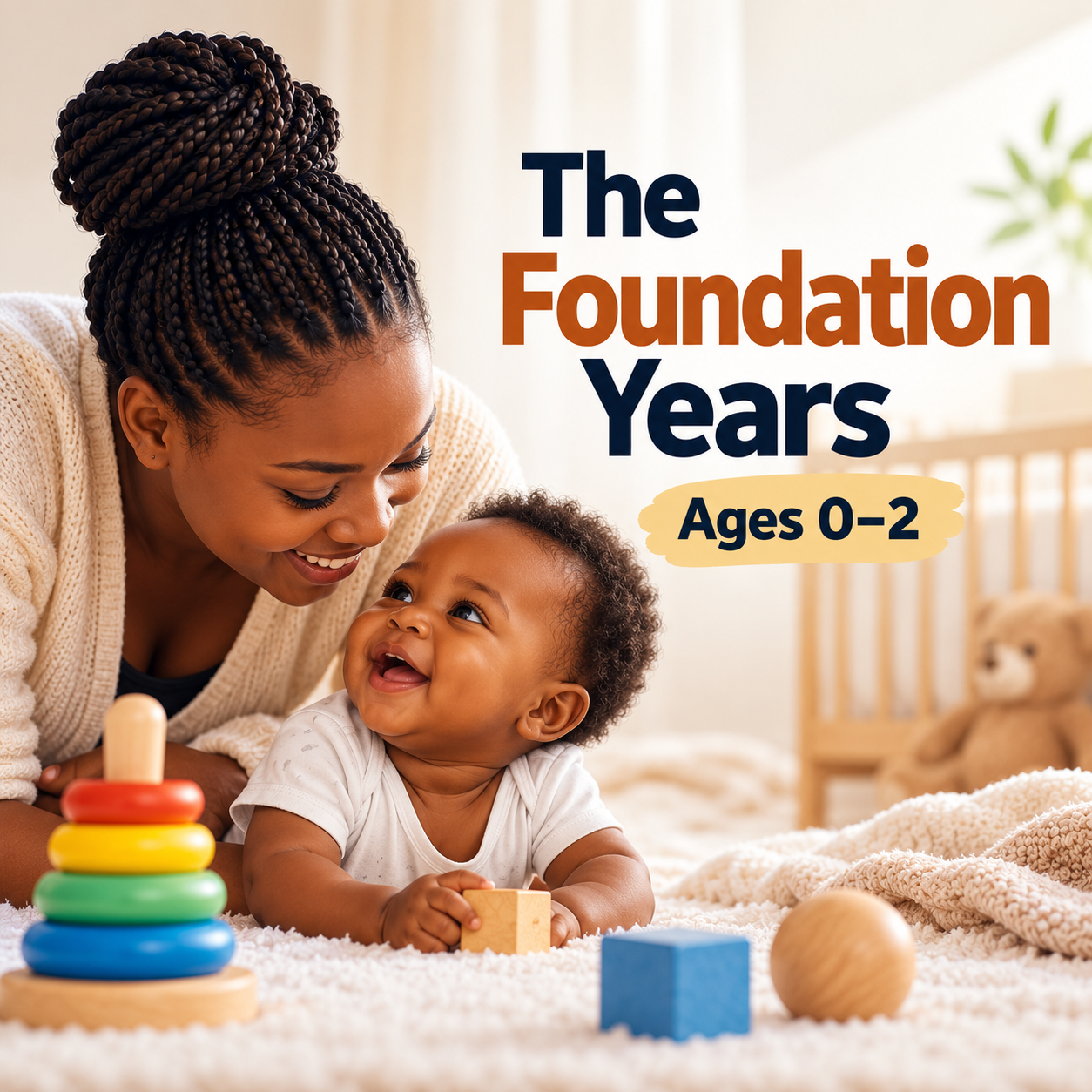
The Foundation Years: Ages 0–2
Discover the key developmental needs of children aged 0–2, including attachment, safety, trust, sensory learning, early language and spiritual nurture. Learn how parents can build a strong foundation through everyday care, connection and faith.
Read MoreThe Discovery Years: Ages 3–5
Discover the key developmental needs of children aged 3–5 during the Discovery Years. Learn how parents can nurture curiosity, independence, emotional growth, character, responsibility and early faith through simple everyday moments.
Read MoreThe Learning Years: Ages 6–8
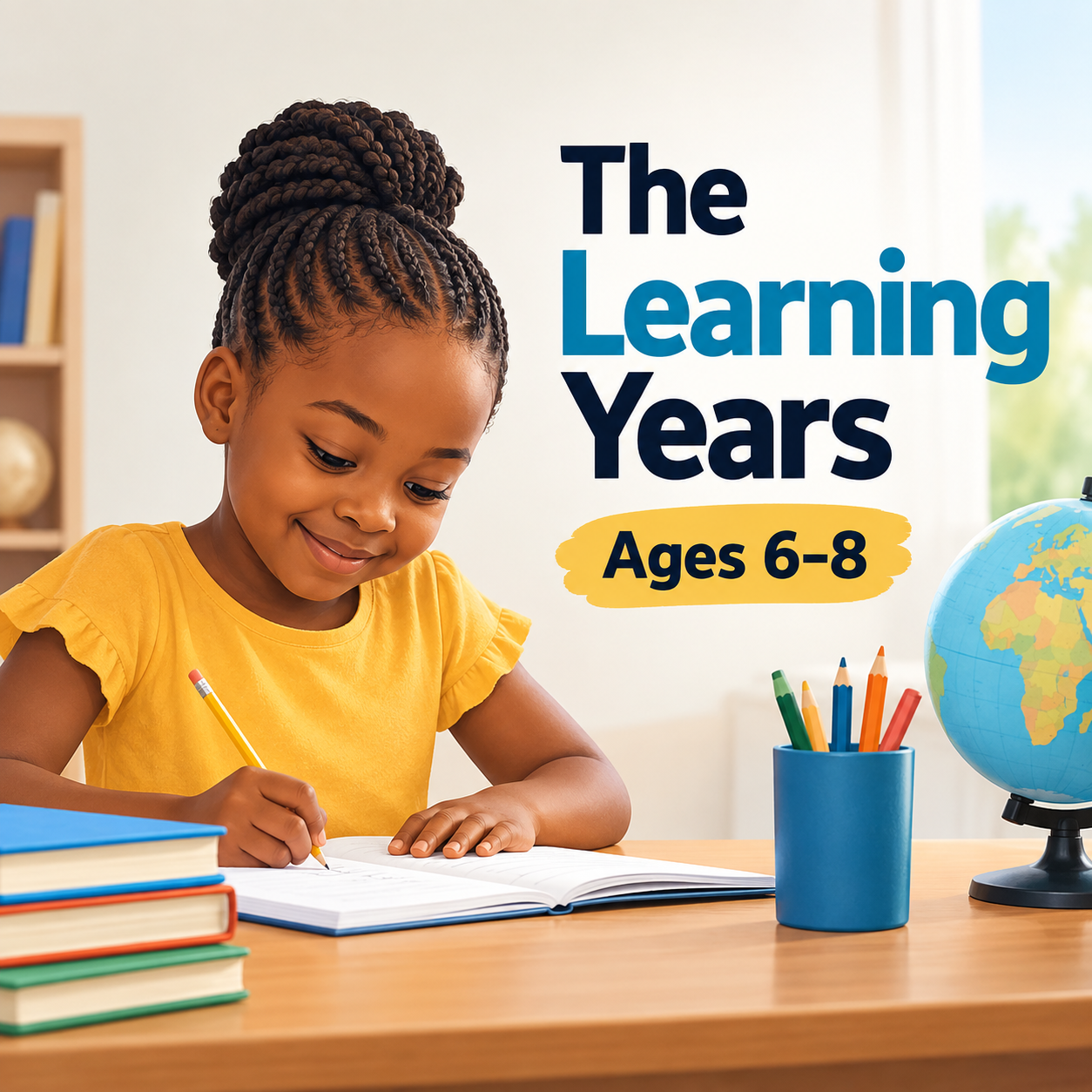
Explore the key developmental needs of children aged 6–8 during the Learning Years. Learn how parents can build confidence, responsibility, healthy friendships, character, growing faith and a positive attitude towards learning.
Read MoreThe Identity-Building Years: Ages 9–12
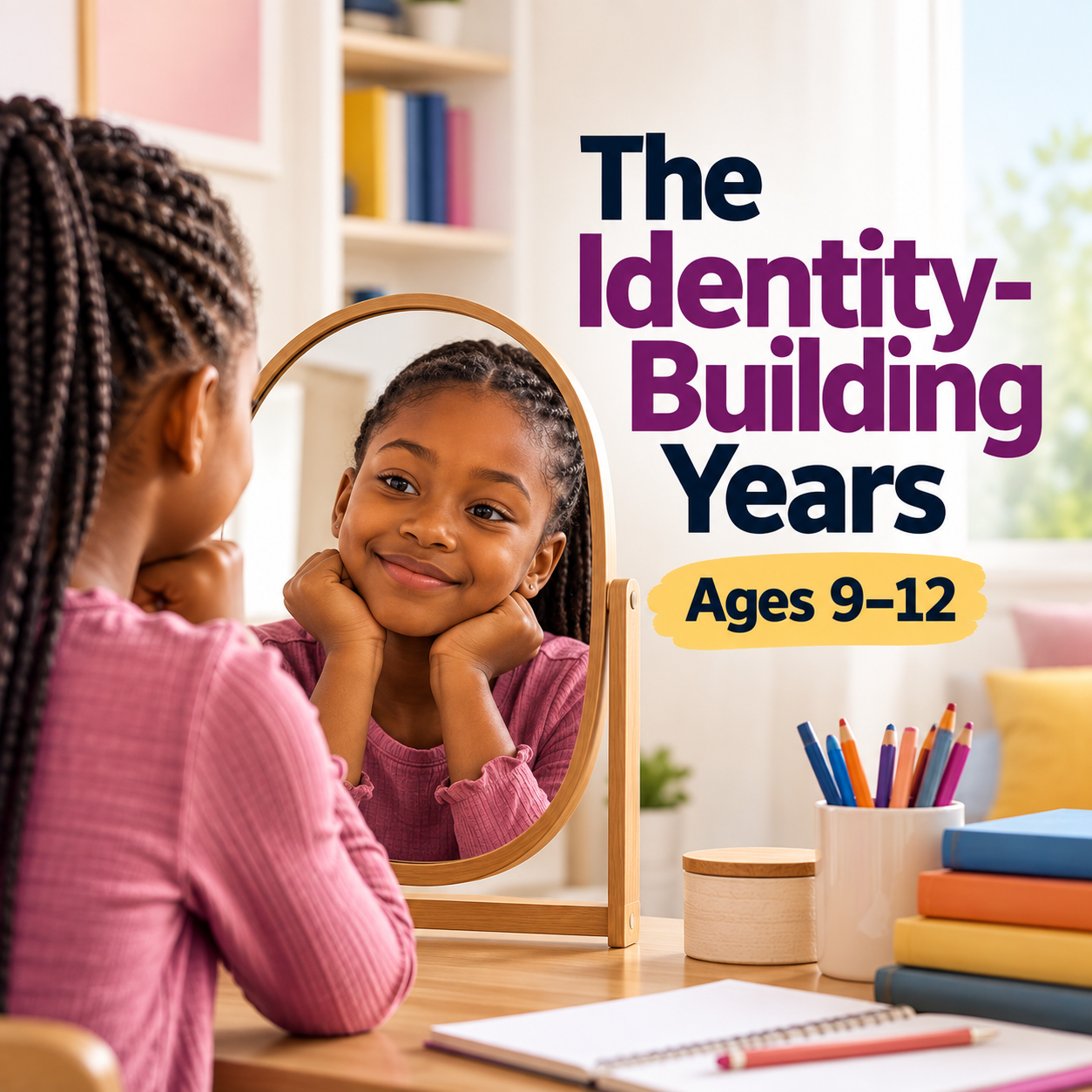
Explore the key developmental needs of children aged 9–12 during the Identity-Building Years. Learn how parents can nurture confidence, wise friendships, growing independence, healthy body awareness, gifts, digital wisdom and a personal faith in God.
Read MoreThe Early Teen Years: Ages 13–15

Explore the key developmental needs of teens aged 13–15 during the Early Teen Years. Learn how parents can guide identity, emotions, friendships, body changes, digital life, decision-making, boundaries and a growing personal faith.
Read MoreThe Launch Preparation Years: Ages 16–18

Explore the key developmental needs of teens aged 16–18 during the Launch Preparation Years. Learn how parents can prepare them for adult responsibility, wise decisions, relationships, money, practical life skills and a faith that can stand on its own.
Read MoreThe Emerging Adult Years: Ages 19–21

Explore the key developmental needs of young adults aged 19–21 during the Emerging Adult Years. Learn how parents can advise and release with wisdom as their children take greater responsibility for money, work, relationships, decisions and personal faith.
Read MoreThe Establishing Years: Ages 22–25

Explore the key developmental needs of young adults aged 22–25 during the Establishing Years. Learn how parents can support career growth, financial responsibility, relationships, adult faith, healthy boundaries and increasing independence without taking over.
Read MoreThe Building Years: Ages 26–30

Explore the key developmental needs of adults aged 26–30 during the Building Years. Learn how parents can relate as adults while supporting career growth, financial maturity, marriage, family life, healthy boundaries, responsibility and lasting faith.
Read MoreSubscribe to join me, let's journey together...
4 comments On The Learning Years: Ages 6–8
Pingback: The Discovery Years: Ages 3–5 - Reflections By Muthoni Omukhango ()
Pingback: The Foundation Years: Ages 0–2 - Reflections By Muthoni Omukhango ()
Pingback: Developmental Stages: Raising Children from Birth to Adulthood - Reflections By Muthoni Omukhango ()
Pingback: The Identity-Building Years: Ages 9–12 - Reflections By Muthoni Omukhango ()